Everything You Need to Know About Mulch: Benefits and How to Apply It Correctly in Your Garden
When it comes to gardening, mulch is one of the best-kept secrets for creating healthy, thriving plants and a low-maintenance outdoor space. Whether you’re a seasoned gardener or a beginner, mulch can make a huge difference in the health of your plants, soil, and overall garden environment.
At Grow Landscape Yard, we’re passionate about helping you get the most out of your garden, so let’s dive into the benefits of mulch and share our tips on how to apply it correctly!
What is Mulch?
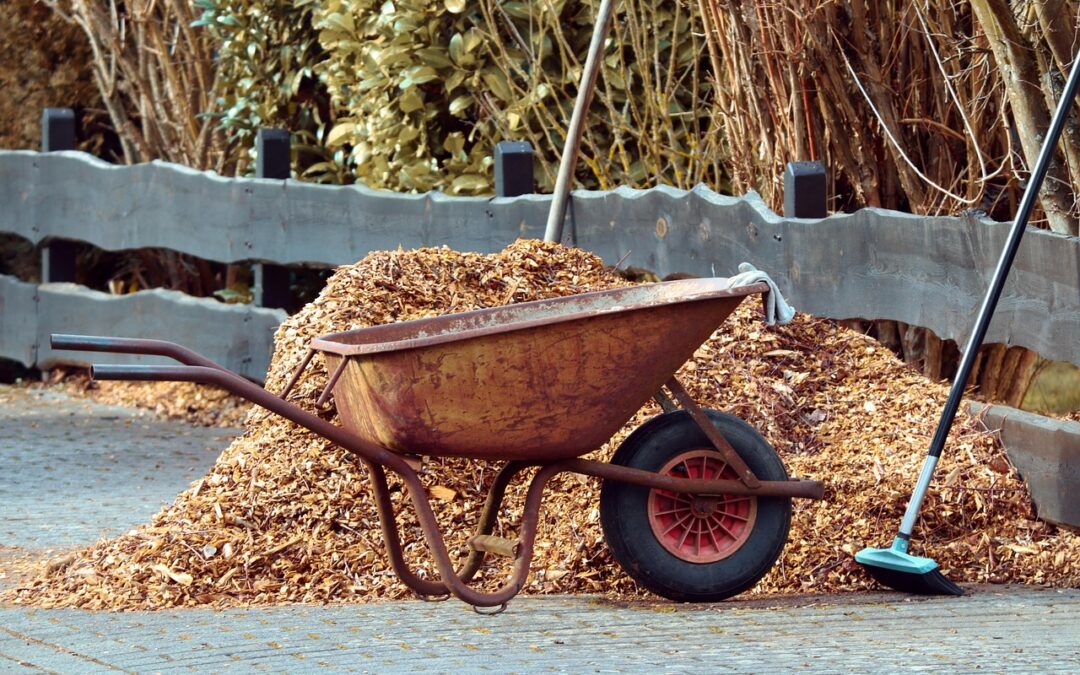
Mulch is a layer of material spread over the soil surface to protect and improve the soil’s health. It can be made from organic materials like wood chips, bark, leaves, and straw, or inorganic materials such as pebbles.
When used correctly, mulch does more than just make your garden look neat and tidy—it provides a wealth of benefits that make your plants healthier and your garden easier to maintain!
The Top Benefits of Mulching Your Garden
- Moisture Retention
Mulch acts like a blanket for your soil, helping it retain moisture by reducing evaporation. This is especially helpful during the hotter months, as it keeps the soil cool and hydrated, reducing the need for frequent watering. - Weed Control
Weeds can quickly take over a garden if left unchecked. A thick layer of mulch blocks sunlight, making it difficult for weeds to sprout and grow. This reduces the need for harsh chemicals and time-consuming weeding. - Soil Health and Nutrients
Organic mulches like wood chips or bark decompose over time, enriching your soil with essential nutrients and improving its structure. This leads to healthier, more robust plants with strong root systems. - Temperature Regulation
Mulch helps regulate the soil temperature, keeping it cooler in the summer and warmer in the winter. This creates a more stable environment for your plants, especially those that are sensitive to temperature fluctuations. - Erosion Prevention
In areas with heavy rainfall or sloped gardens, mulch helps prevent soil erosion by acting as a barrier, slowing water runoff and allowing it to seep into the soil. - Aesthetic Appeal
Let’s not forget—mulch looks great! Whether you’re looking for a natural, rustic appearance with bark mulch or a sleek, modern look with pebbles, mulch adds a beautiful finishing touch to any garden bed, pathway, or landscaped area.
How to Apply Mulch Correctly in Your Garden
Now that you know all the wonderful benefits of mulch, let’s talk about how to apply it correctly for the best results. Here’s a simple step-by-step guide:
1. Prepare Your Garden Bed
Before adding mulch, it’s important to prepare your garden bed. Start by clearing away any weeds, debris, or dead plants. You can use a hoe, rake, or weeder to remove weeds, and it’s a good idea to give the soil a light rake to loosen it up.
2. Add a Weed Barrier (Optional)
If you’re worried about weeds coming through, you can lay down a weed barrier fabric before applying mulch. This adds an extra layer of protection and helps keep your garden beds cleaner in the long run.
3. Apply it in the Right Thickness
The key to good mulching is to spread it evenly, but not too thick. Aim for a layer that’s about 50-100mm deep. If the mulch is too thin, it won’t be effective at retaining moisture and controlling weeds. If it’s too thick, it can suffocate the soil and lead to poor air circulation.
4. Leave Space Around Plant Stems
When applying mulch, avoid piling it directly against plant stems or tree trunks. Leave a small gap around the base of plants to allow for proper airflow and to prevent the risk of rotting.
5. Water After Mulching
Once you’re done mulching, give the area a good watering. This helps settle the mulch into place and provides immediate moisture to the soil, which is especially important if you’ve applied mulch during a dry spell.
When is the right time for mulching my garden?
The best time to apply mulch is in the spring or early summer, right before the heat of the growing season kicks in. This gives your plants the moisture and protection they need to thrive through the warmer months. However, you can also apply it in the fall to help insulate your plants over winter.
Different Types of Mulch: Which One is Right for Your Garden?
At Grow Landscape Yard, we offer a variety of mulch options to suit your needs. Here are a few types to consider:
- Organic: These include materials like bark, wood chips, and compost. They are excellent for improving soil health and are perfect for flower beds and vegetable gardens.
- Inorganic: Materials like pebbles or gravel are low-maintenance and provide a modern, clean look. They work well for pathways, around trees, or in areas where you don’t want to deal with the decomposition of organic mulch.
- Decorative: If you’re looking to add color or texture to your garden, decorative stones can complement your landscape design beautifully.
Conclusion: Mulching Your Way to a Healthier Garden
Mulching is one of the easiest and most effective ways to improve your garden’s health, reduce maintenance, and keep your outdoor space looking beautiful year-round. By choosing the right one, and applying it correctly, you’ll be giving your plants the best chance to thrive while keeping weeds and moisture loss at bay.
Visit Grow Landscape Yard today to explore our range of high-quality products, perfect for all your gardening needs on the Sunshine Coast.